How Regulation Is Reshaping the Future of Skill-Based Online Poker Platforms

lawmakers debate on online gaming policy

Online poker regulation remains one of the most debated issues in digital policy. According to the United Nations Office on Drugs and Crime, governments continue to face challenges in regulating online financial systems linked to gaming platforms, especially as cryptocurrency and cross-border transactions become more common. Policymakers now face a difficult question, how should skill-based poker platforms be classified in a digital economy that combines entertainment, finance, and social interaction?

Modern poker communities increasingly operate across borders, creating legal questions that traditional gambling laws were never designed to answer. Platforms such as Float Poker Hub have become part of a wider discussion about whether strategic online poker should be treated differently from games driven purely by chance. These conversations extend beyond gaming itself and into areas such as taxation, digital identity, consumer safety, and financial transparency.

Why Skill-Based Gaming Regulation Remains Inconsistent Globally

Different countries continue using very different definitions when regulating poker platforms. Some governments classify online poker as gambling regardless of the role of strategy, while others recognize that player decisions and long-term skill can influence outcomes. This lack of agreement has created a fragmented global system.

According to the European Gaming and Betting Association, several European regulators have explored frameworks that separate skill-focused gaming from casino-style betting. Meanwhile, many countries in Asia still apply broad gambling restrictions that do not distinguish between digital poker and other forms of wagering.

These inconsistencies create practical problems for operators and users alike. A platform considered legal in one country may face restrictions in another. Financial institutions also struggle to determine how to process transactions linked to poker ecosystems, especially when cryptocurrency tools are involved.

Legal scholars often point out that poker sits in a gray area because both skill and chance influence outcomes. Professor Rachel Volberg, a gambling policy researcher at the University of Massachusetts Amherst, has argued in several public discussions that modern regulation often fails to reflect the complexity of digital gaming behavior. Governments tend to rely on outdated legal frameworks built before online multiplayer systems existed.

Despite the importance of regulation, lawmakers also face pressure to avoid overly broad restrictions that could push users toward unregulated markets. This concern has become more visible as decentralized gaming technologies continue to grow.

The Rise of Digital Poker Communities and Decentralized Payments

Digital poker platforms are no longer simple card rooms. Many now function as online communities where players discuss strategy, socialize, and participate in tournaments across multiple countries. Technology has changed how these communities operate, especially through digital wallets and blockchain-based payment systems.

According to a report from Chainalysis, cryptocurrency adoption in online entertainment platforms has expanded steadily over the past several years. Some poker-focused services have integrated digital assets because they allow faster international transfers and reduce dependence on traditional banking systems.

Supporters argue that decentralized payments improve accessibility and privacy. Critics, however, worry about money laundering risks, tax enforcement challenges, and consumer protection gaps. Regulatory agencies including the Financial Action Task Force have repeatedly called for stronger oversight of digital asset transactions connected to gaming environments.

Another challenge involves transparency. Traditional gambling laws often require operators to maintain detailed records and comply with licensing standards. Decentralized ecosystems may not fit neatly within those requirements. As a result, regulators are now debating whether blockchain-based poker systems require entirely new legal categories.

The broader online poker ecosystem has become a political issue because it overlaps with debates surrounding financial freedom and digital governance. Some lawmakers support innovation-friendly frameworks, while others prioritize tighter restrictions to reduce financial risk.

Political Debates Surrounding Responsible Gambling Frameworks

Responsible gambling remains central to nearly every regulatory discussion. Public health experts continue warning that online gaming environments can increase exposure to harmful behavior when safeguards are weak. According to the World Health Organization, governments should encourage balanced regulatory systems that protect vulnerable users while recognizing differences between various forms of gaming.

Political disagreements often emerge around the question of how much responsibility should fall on operators versus individual users. Some policymakers support mandatory spending limits, stricter identity checks, and advertising restrictions. Others argue that excessive regulation may reduce personal freedom and encourage migration toward offshore services with weaker oversight.

These debates become even more complicated when skill-based poker enters the discussion. Advocates for poker-focused communities frequently argue that strategic gameplay differs from high-speed casino products associated with impulsive behavior. Critics respond that financial risk still exists regardless of skill level.

Several governments have already introduced stronger compliance standards. The United Kingdom Gambling Commission, for example, has expanded consumer protection requirements related to affordability checks and anti-money laundering procedures. Similar conversations are taking place across North America and parts of Europe, particularly as lawmakers focus on understanding online gambling regulations in digital environments where financial technology and gaming increasingly overlap.

At the same time, policymakers must balance consumer protection with economic interests. Regulated gaming industries generate tax revenue and support technology sectors in multiple countries. This economic factor often shapes political negotiations behind the scenes.

How Younger Players Are Influencing Online Gaming Legislation

Digital-native adults are reshaping the political conversation around online poker and gaming regulation. Younger users tend to view online gaming platforms differently from older generations, especially when communities, streaming culture, and digital finance tools are involved.

According to research from the Pew Research Center, younger internet users are generally more comfortable with digital payments and online entertainment ecosystems than previous generations. This shift has influenced how lawmakers approach regulation.

Many younger players also expect greater transparency from platforms. Issues such as data privacy, fairness verification, and transaction security now play a larger role in public discussions. Policymakers increasingly recognize that modern users are concerned about more than simple access to games.

Streaming platforms and esports culture have also changed public perception. Poker-related content often appears alongside broader gaming communities, blurring the distinction between gambling entertainment and competitive strategy content. Regulators are still determining how these evolving digital cultures should fit into existing legal frameworks.

Even so, governments remain cautious about protecting minors from gambling exposure. Many proposed laws focus heavily on age verification systems and advertising standards designed to reduce youth visibility. Industry analysts expect stricter digital safeguards to become common in future legislation.

What Future Regulation Could Mean for Poker-Focused Platforms

Future regulation will likely focus on flexibility rather than blanket restrictions. Many experts believe governments are gradually moving toward more specialized frameworks that recognize differences between gaming formats instead of applying one broad definition to all online wagering activities.

Technology policy analyst Becky Harris, former chair of the Nevada Gaming Control Board, has previously noted that regulators must adapt faster to technological innovation while still maintaining public trust. That balancing act remains difficult because online poker platforms continue evolving faster than legislation itself.

For poker-centered digital ecosystems, future laws may involve stronger transparency standards, financial monitoring requirements, and consumer protection measures. Governments may also place greater emphasis on cross-border cooperation because online gaming communities rarely operate within a single jurisdiction.

Another likely development involves clearer distinctions between skill-focused gaming services and products primarily based on chance. While legal definitions may still vary between countries, pressure is growing for more consistent international standards.

The wider digital poker sector now represents more than a debate about gambling alone. It touches on financial technology, internet governance, taxation, privacy, and digital rights. Platforms operating in this space will likely face increasing scrutiny as policymakers attempt to modernize outdated legal systems.

At the same time, experts continue warning that online poker and related gaming activities carry financial and psychological risks. Users should approach these platforms responsibly, understand local laws, and avoid treating poker as a guaranteed source of income. Consumer awareness, transparent regulation, and accessible support systems will remain essential as the online card gaming industry continues evolving.

Debates surrounding modern poker networks are unlikely to disappear soon. As governments, regulators, and technology companies continue negotiating the boundaries between entertainment and regulation, the future of digital poker will depend heavily on how societies define skill, risk, and personal responsibility in the online era.

How Regulations Shape the Betting Industry

Gambling has always been closely tied to politics. While betting may seem like a personal entertainment choice, the laws that control it are shaped by government decisions, political priorities, economic goals, and public opinion, read more. Across the world, political leaders influence how gambling operates, where it is legal, how it is taxed, and who can participate.
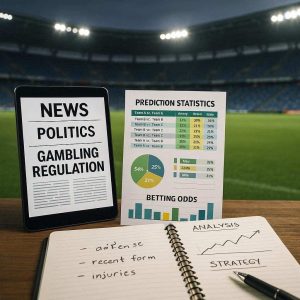
For many governments, gambling presents both opportunity and risk. On one hand, legal gambling can generate major tax revenue, create jobs, and boost tourism. On the other hand, it raises concerns about addiction, corruption, consumer safety, and social consequences. This balance is why politics plays such a major role in the betting industry.

From sports betting and casinos to online gambling and lotteries, regulations can change rapidly depending on leadership, legislation, and cultural values. For bettors, operators, and businesses, understanding the political side of gambling is essential because regulations often determine access, security, and profitability.

Why Governments Regulate Gambling

Gambling regulations exist because betting affects more than individual players. Governments often regulate gambling to protect consumers, control illegal markets, and collect tax revenue.

One of the biggest political motivations for legalization is economic benefit. Legal betting markets can produce billions in taxable income. This money may support public services such as education, infrastructure, or healthcare. In many regions, state lotteries and regulated casinos are major funding sources.

However, legalization is rarely just about revenue. Governments also use regulations to reduce illegal gambling activity. Underground betting markets can create crime, fraud, and lost tax opportunities. By regulating gambling, political leaders can create oversight and safer environments.

Consumer protection is another major factor. Regulations may require age restrictions, fair odds, licensing, and responsible gambling measures. Political systems often determine how strict these protections are.

Political ideology also matters. Some governments support gambling expansion as a business opportunity, while others restrict it due to moral, religious, or social concerns. This is why gambling laws differ dramatically between countries and even states or provinces.

The Political Debate Around Gambling Expansion

Gambling often becomes a political debate because it involves competing interests.

Supporters of legalization usually argue that regulated gambling creates jobs, stimulates tourism, and reduces illegal operations. For example, legal casinos can boost local economies through hospitality, entertainment, and tax contributions.

Opponents often focus on social risks. Problem gambling, addiction, debt, and family issues are common concerns. Political leaders may face pressure from advocacy groups, religious organizations, or public health experts who oppose expansion.

Sports betting has become a major political issue in recent years. After legal barriers changed in some countries, governments had to decide whether to allow sports betting markets. These decisions often involved balancing economic gain with integrity concerns in sports.

Online gambling adds another layer of complexity. Because digital platforms can operate across borders, politicians must address cybersecurity, taxation, and enforcement challenges.

Election cycles can also influence gambling policy. Some politicians campaign on gambling reform, while others avoid expansion to appeal to conservative voters.

How Regulations Affect the Betting Industry

Regulations shape nearly every part of the gambling industry. Licensing requirements determine which companies can legally operate. Tax structures influence profitability. Advertising laws affect how sportsbooks and casinos market themselves.

In heavily regulated markets, operators may face strict compliance standards. These can include responsible gambling programs, anti-money laundering checks, and data security protections.

Advertising restrictions are particularly political. Some governments limit gambling advertisements to reduce exposure, especially among younger audiences. Others allow broader marketing for economic reasons.

Tax rates also play a major role. High tax burdens may reduce operator profits but increase government revenue. Low tax rates may encourage business growth but generate less public funding.

Cross-border gambling creates additional challenges. Some countries block foreign betting platforms, while others license international operators.

Political corruption can also affect gambling markets. In some regions, weak oversight may lead to unfair practices, organized crime involvement, or match-fixing concerns.

The Role of Public Opinion

Public opinion often shapes political gambling decisions. As social attitudes toward gambling change, regulations may shift.

For example, sports betting has gained broader acceptance in many areas because it is increasingly seen as mainstream entertainment. Partnerships between sports leagues and sportsbooks have also influenced perception.

At the same time, rising concerns about gambling addiction have pushed governments to strengthen consumer protections.

Media coverage can significantly impact policy. High-profile scandals involving corruption, match-fixing, or underage gambling often trigger political action.

Public demand for safer gambling environments has also increased interest in self-exclusion tools, deposit limits, and transparency laws.

Technology, Politics, and the Future of Gambling

Technology is changing gambling faster than politics can always keep up. Mobile apps, cryptocurrency betting, esports wagering, and live betting create new opportunities and regulatory challenges.

Cryptocurrency gambling is especially political because decentralized payment systems may bypass traditional financial controls.

Artificial intelligence is also entering the gambling industry through personalized odds, fraud detection, and user behavior monitoring.

Governments now face the challenge of regulating innovation without pushing users toward illegal platforms.

International cooperation may become more important as online betting continues to expand globally.

Politics and gambling are deeply connected because gambling is more than entertainment. It is an economic, social, and regulatory issue that affects businesses, consumers, and governments alike.

Political decisions determine where gambling is legal, how it operates, who profits, and how players are protected.

For the betting industry, regulations can create opportunities or limitations. For consumers, politics influences safety, accessibility, and fairness.

As gambling continues to evolve through technology and changing public attitudes, political involvement will likely remain central.

Understanding the relationship between politics and gambling helps bettors, businesses, and the public better navigate the industry.

In the end, gambling laws are rarely just about betting. They reflect broader questions about economics, public welfare, ethics, and government responsibility. Whether regulations expand or tighten, politics will continue shaping the future of gambling around the world.

Understanding the Role of Politics and Gambling in Sports Betting

Today football prediction is often viewed as a purely statistical activity. Many bettors focus only on team form and match data. However, politics and gambling regulations play an important role in shaping the betting landscape. Understanding this environment helps you make more informed decisions.

Governments regulate sports betting differently across countries. Some nations allow fully licensed bookmakers. Others impose strict restrictions or outright bans. These regulations influence which platforms operate legally and how they set their odds. As a bettor, you must understand the legal framework in your region.

Tax policies affect bookmakers directly. Higher taxes may reduce promotional offers or adjust payout structures. This can influence the value you receive from certain markets. Awareness of these policies helps you choose platforms carefully.

Advertising restrictions are another political factor. In some countries, betting ads are limited to protect consumers. This reduces aggressive promotion and may create a more stable market. In less regulated regions, heavy advertising can increase betting activity and public hype.

Political stability also influences sports operations. Travel restrictions, visa delays, and diplomatic tensions can affect international competitions. Teams may struggle with preparation if external factors interfere. These issues may not appear in match statistics, but they can influence performance.

The Connection Between Public Sentiment and Betting Markets

Politics often shapes public opinion. Major national events or social issues can influence fan behavior. In international tournaments, national pride increases emotional support for certain teams. This can affect betting volume and shift odds.

When many bettors support a popular team, bookmakers adjust their pricing. Odds may shorten even if performance data does not fully justify it. This creates potential value opportunities on less favored teams. Understanding this dynamic helps refine today football prediction strategies.

Media coverage also plays a strong role. News headlines may exaggerate a team’s strength or weakness. Political controversies involving players or clubs can create distractions. These factors may affect morale and focus.

Economic conditions within a country can impact club finances. Financial limitations may restrict player transfers or squad depth. Over time, this influences team competitiveness. Long-term political and economic trends shape league strength and stability.

Responsible gambling campaigns are often driven by government initiatives. Deposit limits, self-exclusion tools, and awareness programs are designed to protect bettors. These measures promote safer betting behavior and encourage discipline.

Understanding the political and regulatory environment allows you to evaluate risk more clearly. It also helps you recognize when market movement is driven by sentiment rather than solid analysis.

Building a Balanced Today Football Prediction Strategy

Today football prediction should combine statistical research with awareness of external influences. Match data interpretation remains essential. Review recent form, goals scored, defensive performance, and head-to-head history.

At the same time, consider broader factors. Check if a team faces travel challenges. Review any political or administrative issues affecting the club. These elements may influence preparation and focus.

Bankroll management remains a priority. Set a fixed budget before betting. Divide it into smaller units to reduce risk. Even strong predictions can fail due to unexpected events.

Avoid emotional betting driven by public hype. Analyze whether odds movement reflects genuine performance shifts or simple market enthusiasm. Calm evaluation improves consistency.

Keep detailed records of your wagers. Note your reasoning for each prediction. Review results regularly to identify strengths and areas for improvement.

Specializing in certain leagues enhances accuracy. When you understand the political and regulatory environment of a specific region, you interpret market behavior more effectively.

Sports betting should remain controlled and sustainable. Politics and gambling regulations shape the industry, but disciplined analysis shapes your results. By combining data-driven research with awareness of external influences, you create a more complete today football prediction approach.

Cancel AAMS Self-Exclusion and the Politics of Responsible Gambling in Italy

betting in Italy

Italy’s gambling market draws in over 100 billion euros yearly, a sum that fuels both excitement and concern. Picture the quiet hum of a Roman café where friends debate the latest lottery win, or the digital glow of a smartphone screen pulling someone deeper into slots. This blend of tradition and technology defines Italy’s relationship with games of chance. Yet, beneath the surface, a tension simmers. Self-exclusion programs, meant to shield players from harm, now spark fierce discussions in parliament halls and family dinners alike. These tools promise safety but raise questions about personal freedom in a land that cherishes choice.

The AAMS self-exclusion registry, launched in 2018, lets players step back from online betting for set periods or forever. Administered by the Agenzia delle Dogane e dei Monopoli (ADM), formerly AAMS, it blocks access across all licensed sites. For many, it’s a lifeline amid rising addiction rates, about 3% of Italians grapple with severe problem gambling. But what happens when regret creeps in? Players often seek to reverse their decision, leading straight to the heart of political debates. Cancel AAMS self-exclusion emerges as a key phrase in these conversations, symbolizing the push for flexibility. Lawmakers weigh how much control the state should wield over a choice made in vulnerability. On one side, advocates for stricter rules argue that easy reversals could undo hard-won progress. Others counter that locking someone out indefinitely ignores human growth and the right to second chances.

The Roots of Self-Exclusion in Italian Policy

Gambling weaves deep into Italy’s cultural fabric, from ancient Roman dice games to modern lotteries. The state stepped in decades ago to channel this passion into regulated channels, birthing AAMS in the 1990s. By 2018, as online platforms boomed, self-exclusion became a cornerstone of responsible play. Players can opt out for 30, 60, or 90 days, or indefinitely, with automatic reactivation for short terms. Indefinite bans, however, demand a six-month wait before revocation, a safeguard rooted in protecting the vulnerable.

  • Quick Activation: A simple form via SPID or operator sites seals the deal, blocking accounts nationwide.
  • Support Ties: Links to counseling through ADM partners offer more than just barriers; they guide toward healing.
  • Operator Duties: Licensed sites must honor exclusions instantly, feeding data to a central registry for seamless enforcement.

Revocation isn’t a snap-of-the-fingers affair. For temporary exclusions, freedom returns quietly at term’s end. Permanent ones? Players submit requests with ID proofs, enduring that mandatory half-year pause to reflect. This delay, while protective, fuels frustration. Imagine a young Milanese who excluded in a haze of loss, only to find clarity months later, trapped by bureaucracy. For broader insights on maintaining control, explore responsible gambling practices that complement Italy’s self-exclusion framework.

Political Currents Shaping Cancellation Rights

“We can’t let fleeting regrets unravel lives,” thundered Senator Beatrice Lorenzin in a fiery debate, slamming reliance on gambling revenue as a “social disgrace.”

Italy’s fractured politics mirrors the push-pull over self-exclusion reversals. Right-leaning coalitions, eyeing gambling’s tax haul, nearly 585 million euros extra in recent budgets, lean toward lighter touch. They frame it as economic booster, warning that harsh rules drive players to black markets. Leftist voices and Catholic groups, however, paint addiction as a moral scourge, demanding ironclad barriers. “We can’t let fleeting regrets unravel lives,” thundered Senator Beatrice Lorenzin in a fiery debate, slamming reliance on gambling revenue as a “social disgrace.”

Freedom of choice dances at the debate’s core. Proponents of easier cancellations invoke Article 41 of the Constitution, guarding economic liberty. Why punish growth? A reformed player deserves to reengage responsibly. Critics retort: true freedom blooms from protection, not peril. Local mayors in Piedmont and Lombardy have tested tighter slots limits, only to clash with national overrides, highlighting Rome’s grip on “public order.”

  • Industry Whispers: Operators lobby for streamlined revocations, citing job losses if players flee to unregulated sites.
  • Civil Pushback: Groups like the No Slot Movement rally for permanence, sharing tales of families shattered by relapse.
  • EU Echoes: Brussels urges balance, blending harm reduction with market access under service freedoms.

Government oversight looms large, a watchful eye in the digital age. The 2024 Reorganisation Decree mandates 0.2% of revenues funneled to anti-addiction efforts, including self-exclusion tweaks. Yet, as the Dignity Decree’s ad ban faces repeal talks, politicians grapple: loosen for revenue, or tighten for welfare? “It’s a tightrope,” admits a Ministry official in hushed tones, “between guarding souls and filling coffers.”

Voices from the Ground: Stories of Struggle and Strength

Behind the bills beat human hearts. Take Luca, a Turin mechanic who self-excluded in 2022 after debts mounted. Six months felt eternal, but revocation brought cautious joy—and new limits he sets himself. Stories like his underscore the poetry of recovery: fragile, yet fierce.

Debates rage, but data whispers truths. Studies show self-exclusion cuts playtime by 40%, yet 20% seek reversal within a year. This duality, protection versus autonomy, mirrors Italy’s soul: passionate, principled, ever in flux.

Toward a Balanced Horizon

As sun dips over the Colosseum, Italy ponders its gambling path. Recent rulings, like the 2025 strike-down of shop device bans, signal a thaw toward proportionality. Perhaps smarter tech (AI-flagged risks or tailored counseling) could ease revocation fears.

Responsible gambling thrives on nuance, not absolutes. Honoring the call to cancel AAMS self-exclusion means weaving choice with care, politics with compassion. In this eternal city of fountains and fortunes, may policies flow like the Tiber: steady, sustaining, alive with possibility. Players, lawmakers, families; they all deserve a game worth playing.

Playing Baccarat Safely: Understanding Online Gambling Regulations

baccarat

In online gambling, the allure of baccarat sites beckons players from all corners of the globe. But before you dive into the high-stakes action, it’s crucial to understand what a baccarat site is and how gambling regulations can impact your experience. In this article, we’ll explore the ins and outs of online baccarat betting, shedding light on the legal frameworks, licensing requirements, and responsible gambling practices that ensure a secure gaming environment.

What Is a Baccarat Site?

Baccarat Site Definition: A baccarat site is an online platform that offers players the opportunity to enjoy the classic card game of baccarat over the internet. These sites provide a virtual space where enthusiasts can wager real money, test their strategies, and compete against other players in the quest for winning hands.

The World of Online Gambling

The digital age has ushered in an era of unprecedented convenience for gamblers. Gone are the days of traveling to brick-and-mortar casinos; now, all the excitement of casino gaming is just a few clicks away. Online gambling encompasses a wide array of games, and baccarat is undoubtedly one of the most popular choices among aficionados.

Navigating Legal Frameworks

Understanding the Importance of Regulation

The foundation of a safe and secure online gambling experience lies in robust regulations. These rules and guidelines serve as a protective barrier against fraudulent activities, ensuring that players can trust the baccarat sites they choose to frequent.

Licensing and Accountability

One of the primary ways regulators maintain integrity within the industry is through licensing. Reputable baccarat sites are required to obtain licenses from governing bodies, which can vary by jurisdiction. These licenses confirm that the site adheres to specific standards and is accountable for its operations. As a player, it’s essential to verify that the baccarat site you’re considering holds a valid license from a recognized authority.

Responsible Gambling Practices

Responsible gambling is another crucial aspect of online gaming that regulatory bodies prioritize. Operators of baccarat sites are expected to promote responsible behavior among their patrons. This includes offering resources for self-assessment, setting deposit limits, and implementing measures to prevent underage gambling.

Read also: Play Smart, Play Safe: A Guide to Responsible Gambling in Online Casinos

Your Role in Safe Gambling

While regulations and licensing ensure a certain level of safety, your responsibility as a player should not be underestimated. Here are some essential tips to help you navigate the world of online baccarat safely:

Choose Reputable Baccarat Sites

Opt for baccarat sites with a proven track record of reliability and trustworthiness. Reading reviews and seeking recommendations from fellow players can be immensely helpful in making an informed decision.

Plan a Budget and Strictly Follow It

Setting a budget for gaming should be basic. Responsible gamblers always set a budget and follow it. Determine how much you can comfortably afford to wager without impacting your financial well-being and stick to that limit.

Recognize the Signs of Problem Gambling

It’s essential to be aware of the signs of problem gambling, such as chasing losses, neglecting responsibilities, or experiencing distress due to gaming. If you ever find yourself in this situation, seek help immediately.

Stay Informed

The online gambling landscape is continually evolving, with new regulations and developments emerging regularly. Stay informed about changes in the industry to ensure you’re always playing in a safe and legal environment.

Conclusion

In the realm of online gambling, baccarat sites offer excitement and entertainment, but it’s crucial to approach them with caution and awareness. By understanding the importance of regulation, licensing, and responsible gambling practices, you can ensure a secure gaming environment for yourself. Remember that, while the allure of winning big is enticing, the true victory lies in playing baccarat safely and responsibly. So, choose your baccarat site wisely, set your limits, and enjoy the thrilling world of online baccarat with confidence.