

Political Forces that 7games Bet are Following
The expansion of digital betting has brought platforms such as 7games Bet into broader public discussions surrounding regulation, governance, and economic priorities. As online casinos and sports betting platforms become more accessible, governments face increasing pressure to balance public interest, revenue generation, and social responsibility. Regulated betting platforms often represent how gambling can operate within legal frameworks while contributing to national economic systems.
Understanding the political relationship between gambling platforms and government oversight explains why legalization continues to expand across many regions. Rather than viewing gambling solely as entertainment, policymakers increasingly treat it as a regulated economic activity requiring structured control and accountability.
Why Governments Legalize Gambling?
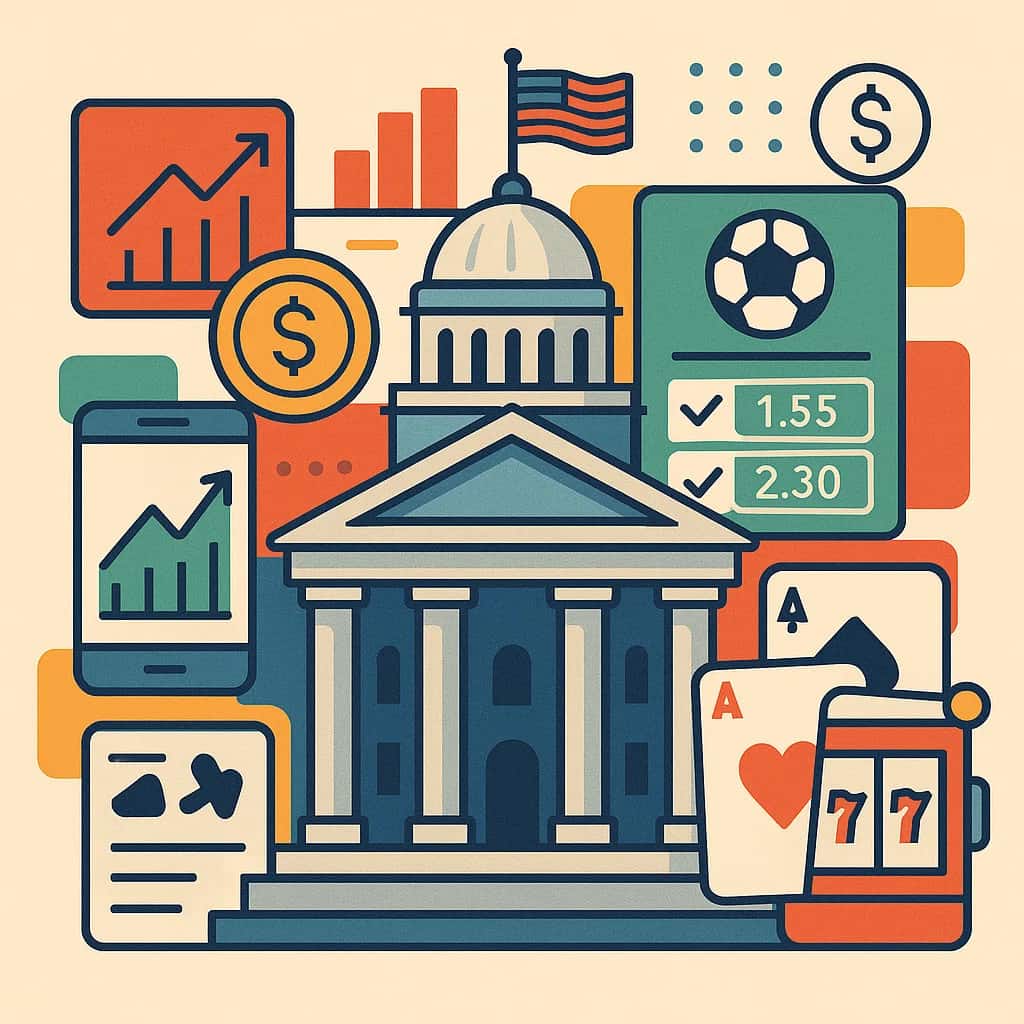
Governments legalize gambling primarily to establish regulatory authority over an activity that often exists regardless of prohibition. By creating legal frameworks, policymakers can monitor operations, enforce consumer protections, and reduce the influence of unregulated markets. Regulation also allows authorities to mandate standards for transparency, responsible gaming, and fair play. All these are factors that difficult to enforce in illegal environments.
From a governance perspective, legalization reflects a pragmatic response to public demand. Instead of attempting to eliminate gambling entirely, political systems focus on managing risk while maintaining oversight and public accountability.
How 7games Bet Impacts Economic Policy in Gambling Regulation?
Regulated platforms such as 7games Bet illustrate how political decisions translate into structured economic participation. Once legalized, online gambling operators are subject to licensing requirements, compliance audits, and taxation policies that integrate them into national revenue systems. These mechanisms transform gambling from a private activity into a measurable economic sector.
Tax revenues generated from licensed platforms are commonly allocated to public services, including infrastructure development, healthcare funding, and educational programs. This fiscal contribution reinforces political support for regulated gambling, positioning it as a controlled revenue source rather than a purely social concern.
Employment Opportunities Created by Legal Gambling
Legal gambling policies also influence employment growth across multiple industries. In addition to frontline customer support roles, regulated platforms require professionals in software development, cybersecurity, compliance, marketing, and data analytics.
Political authorization of gambling operations allows these roles to exist within stable, licensed business environments.
Employment generation is often emphasized in policy discussions, particularly in regions seeking economic diversification. By formalizing the gambling sector, governments can demonstrate tangible workforce benefits while retaining regulatory control.
Tourism and Entertainment Growth
Beyond employment, legal gambling contributes to tourism and broader entertainment ecosystems. Betting platforms, casinos, and associated digital services often integrate with hospitality, sporting events, and media industries, expanding their economic reach.
From a political standpoint, tourism development enhances national branding and attracts foreign investment. These long-term economic benefits explain why gambling legislation is frequently tied to broader development strategies rather than treated as an isolated policy issue.
Why Gambling Legalization will keep Growing?
The relationship between politics and gambling reflects deliberate policy planning rather than incidental decision-making. Platforms like 7games Bet operate within regulatory systems shaped by economic goals. As governments continue refining gambling legislation, the focus remains on balancing public welfare with financial sustainability.
Viewing gambling through a political and economic perspective allows readers to understand it not only as a form of entertainment, but as a regulated instrument shaped by governance, oversight, and long-term national interests.