Casinos Without a UK License and the Link Between Politics and Gambling
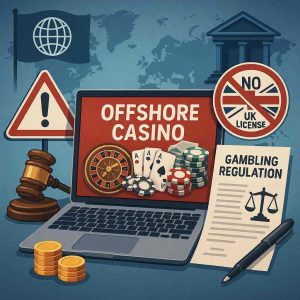
Casinos without UK license have become more visible in recent years. At the same time, gambling laws have become a political topic in many countries. Governments now debate how much control should exist over online betting. These discussions directly affect how casinos operate and how players access gambling platforms.

Why Casinos Operate Without a UK License

Casinos without a UK license are platforms that choose not to register with the UK Gambling Commission. Instead, they operate under licenses from other regions. These may include Curacao or other international regulators. This approach allows them to follow different rules.

The UK has strict gambling regulations. These rules aim to protect players and reduce harm. They include limits on bonuses, deposits, and advertising. While these rules are designed for safety, some operators see them as too restrictive.

By operating outside the UK system, casinos gain flexibility. They can offer higher bonuses, fewer betting limits, and faster sign-ups. This makes them attractive to players who want fewer controls.

Politics plays a role here. Gambling laws are shaped by public pressure and government goals. In the UK, gambling reform has focused on consumer protection. This has pushed some operators to target international markets instead.

As rules tighten in one country, businesses often move to regions with lighter regulation. This is common across many industries, not just gambling.

How Politics Shapes Gambling Laws Worldwide

Gambling regulation is deeply tied to politics. Governments balance revenue, public health, and social concerns. Some countries view gambling as an economic opportunity. Others see it as a risk that needs control.

In stricter regions, politicians often respond to concerns about addiction and debt. This leads to tighter laws and more oversight. In more relaxed regions, governments focus on attracting businesses and tax revenue. This creates space for offshore casinos.

International differences create a patchwork of rules. A casino legal in one country may be restricted in another. This is why many platforms operate globally but avoid certain markets.

Political debates also affect advertising and access. Some governments block gambling sites or restrict payment methods. Others allow open access but impose taxes or reporting rules.

Casinos without a UK license exist because global regulation is not unified. There is no single international gambling authority. Each country sets its own rules based on political priorities.

For players, this means choice but also complexity. Access depends on location, laws, and enforcement.

What This Means for Players and the Future of Gambling

For players, casinos without a UK license offer both opportunity and risk. The opportunity comes from flexibility. These platforms often provide wider game options, higher bonuses, and fewer restrictions.

The risk comes from limited protection. UK-licensed casinos must follow strict dispute and fairness rules. Offshore platforms may follow different standards. If a problem occurs, resolving it can be harder.

Players should stay informed. Understanding why a casino operates offshore helps set expectations. Not all non-UK licensed casinos are unsafe, but not all are reliable either.

Looking ahead, politics will continue to shape gambling. Some countries may tighten rules further. Others may open markets to attract operators. Technology also plays a role, especially with digital payments and global access.

We may see more international cooperation in the future. Governments could work together to set basic standards. Until then, offshore casinos will remain part of the landscape.

For now, responsible play and careful research are essential. Players should choose platforms with clear licensing, good reviews, and strong support systems.

Casinos without a UK license exist because gambling laws are shaped by politics. Different countries have different goals and concerns. This creates both strict and relaxed environments for operators. For players, this means more choice but also more responsibility. Understanding the political and regulatory background helps you make better decisions. Gambling should always remain informed, controlled, and enjoyable.


The Political Impact of Online Lottery Platforms

In today’s digital landscape, เว็บแทงหวยออนไลน์ has become more than a form of entertainment. It represents a growing political and regulatory challenge for governments worldwide. As online gambling platforms expand rapidly, they force policymakers to confront difficult questions about legality, public welfare, taxation, and control. What appears to be a simple game of chance is increasingly shaped by political decisions and ideological divides.

The Rise of Online Gambling in a Political Context

Online lottery platforms have grown because of accessibility, anonymity, and convenience. These advantages appeal to users, but they also complicate governance. Unlike traditional state-run lotteries, online platforms often operate across borders, making regulation difficult.

Governments must decide whether to ban, regulate, or legalize these platforms. Each option reflects a political stance. Restriction prioritizes moral and social protection. Regulation emphasizes control and harm reduction. Legalization often focuses on economic opportunity and taxation. The chosen path reveals how political systems balance freedom with responsibility.

State Revenue Versus Social Responsibility

One of the strongest political arguments surrounding online gambling is revenue. Legalized gambling can generate significant income through taxes and licensing fees. For governments facing budget pressure, this is a powerful incentive.

However, critics argue that reliance on gambling revenue creates ethical conflict. When the state benefits financially, it may be less motivated to address addiction and financial harm. This tension places policymakers in a difficult position. They must justify whether economic gains outweigh potential social costs. The debate is not just economic, but deeply political.

Regulation as a Tool of Power

Regulation is more than a legal framework. It is a demonstration of political authority. Licensing requirements, advertising rules, and player protection laws all reflect how much control governments want over digital behavior.

Strict regulation often aligns with political platforms focused on public health and social order. Looser regulation may reflect market-driven or libertarian ideologies. In both cases, online lottery platforms become a testing ground for political values in the digital age.

Public Opinion and Political Pressure

Voters play a major role in shaping gambling policy. Public concern about addiction, fraud, and youth access often pushes politicians toward stricter laws. At the same time, public demand for personal choice and modern digital services creates pressure in the opposite direction.

This divide forces political leaders to navigate conflicting expectations. Decisions about online gambling can influence elections, party alignment, and public trust. As a result, gambling policy is rarely neutral. It is shaped by ideology, media narratives, and voter sentiment.

Cross Border Platforms and Political Limits

Online lottery platforms often operate beyond national boundaries. This challenges traditional political power structures. Governments may struggle to enforce laws on platforms hosted overseas, exposing the limits of state authority in a global digital economy.

This has led to international cooperation efforts, censorship debates, and stricter internet controls in some regions. These responses raise broader political questions about sovereignty, digital freedom, and state surveillance.

Why Online Gambling Is a Political Issue

Online gambling is no longer just about luck. It reflects how governments manage risk, morality, and money in a connected world. Decisions about platforms like เว็บแทงหวยออนไลน์ reveal how political systems adapt to technology and shifting public behavior.

At its core, the debate is about who controls access, who benefits financially, and who bears responsibility. As online gambling continues to grow, it will remain a powerful lens through which to examine politics, governance, and the future of regulation.

Economic Impact Studies on the Best Stake Casino Alternatives and State Revenues

Policymakers discuss digital gambling alternatives and economic regulation outside a government building.

Governments are starting to adapt their perceptions of online gambling thanks to economic impact studies.

Policymakers focus on more contemporary frameworks regarding online gambling and assess the best Stake casino alternatives as economical state revenue contributors compared to legacy online casinos and brick-and-mortar casinos.

These stake alternatives are based on crypto-friendly and globally accessible frameworks, which compel regulators to reconsider the digital economy, including aspects such as taxation, licensing, and digital economic participation.

1. Less Barriers, More Economic Engagement

Stake-style alternatives rely on more efficient, economic, and digitally integrated models. Research confirms the economic models of such state licensing, as they moderate regulatory thresholds and encourage international market participation from gambling operators.

2. Licensing Models That Promote Engagement

Vertical integration of traditional gambling and online gaming models results in more stringent regulations and approval processes.

These models leave regulators no other alternative but to push operators to offshore markets.

Regulatory mechanisms for online gaming and gambling are flexible and lenient, and economic models indicate that this structure produces optimal outcomes for state revenue.

3. Blockchain Auditing and Tax Collection

Economic analysis reveals the distinct nature of blockchain as a payment layer. Current workflows cannot compare to the audit capabilities of blockchain.

If a government is willing to adopt new technologies, it can streamline the audit processes and cut costs while monitoring tax-relevant activities.

4. No Indirect Public Cost

Digital gaming, as opposed to terrestrial gaming, does not create indirect costs for the government, such as the public investments needed in road construction, utilities, and law enforcement for gaming venues.

This is why economic impact analysis reports are able to assert that digital gaming brings a unique positive outcome to government budgets in a politically defensible manner.

5. Employment in High Value Added

Digital gaming does not create demand for hospitality jobs, as opposed to traditional gaming; it creates demand for high-tech roles, such as software engineering, cybersecurity, compliance, and payment.

States that have developed digital services and labor markets enjoy the high wage and sustainable growth benefits associated with digital gaming.


ALSO READ: How Political Events Could Drive Maxi Doge Adoption Among Gambling Enthusiasts


6. International Taxable Revenue

Digital gaming creates new markets for economic activity that cross the borders of states and nations. This revenue is often lost with terrestrial gaming.

With modern regulations, governments are able to tax revenue generated from abroad, which is a significant advantage of digital gaming when compared with terrestrial gaming.

7. Political Appeal of Innovation-Friendly Policy

Permitting other forms of modern casino alternatives is a political statement of economic innovation rather than social stagnation.

Policymakers can suggest that the new regulations are modernizations of the current system versus expansions of gambling. This is likely to be a more palatable argument to younger, tech-oriented voters.

8. Predictable Revenue Without Urban Disruption

Physical casinos in a city can lead to urban congestion, zoning problems, and other social issues. Stake alternatives completely sidestep these issues.

Studies show these types of locations generate more consistent economic activity and revenue without the political issues related to redeveloping urban centers.

9. Data-Driven Policy Adjustments

Because digital gambling platforms save consumer behavioral data, states may make real-time adjustments to tax rates and consumer protections. This is the opposite of traditional gambling policies, which are more rigid and inflexible.

10. Long-Term Fiscal Sustainability

There are economic impact studies that show Stake offers more flexible revenue streams. As public finance relies more on digital activities, Stake and its competitors will be more aligned with the future than traditional casino alternatives.

Impact brought by Political Decisions in Bateu Bet and the Betting Market

Political decisions have long played a decisive role in shaping financial markets, and the betting industry is no exception. As online sports betting and online casino platforms like Bateu bet expand across global markets, government actions increasingly determine how these markets operate, who may participate, and under what conditions.

Understanding this relationship is essential for bettors, operators, and regulators seeking stability and transparency in an industry defined by rapid change. The influence of political decision-making becomes particularly evident when examining how policy shifts affect market confidence, platform legitimacy, and long-term industry growth.

Why Political Decisions Play a Significant Role in Betting Markets?

Political decisions directly define the legal, economic, and regulatory framework within which betting market function. Changes in leadership, parliamentary votes, or national elections often bring revised positions on gambling legalization, taxation, and consumer protection.

These shifts can produce immediate effects on betting odds, market availability, and investor sentiment.

In jurisdictions where gambling policy is actively debated, even proposed legislation may generate uncertainty, influencing both short-term betting behavior and long-term strategic planning by operators.

How Online Betting Platforms Navigate Political Decisions?

Within this regulatory environment, Bateu Bet shows how online gambling platforms must operate under consistent political scrutiny.

Legitimacy is closely linked to compliance with evolving laws, secure payment systems, and transparent operational standards. As governments introduce new rules or enforcement mechanisms.

Any websites operating in this industry must continuously align with updated requirements to preserve trust and market credibility.

How Legislation and Regulation Shape Betting Availability and Market Access?

Legislation determines where betting markets can legally exist and who is permitted to participate.

Some governments adopt progressive regulatory frameworks that encourage competition and innovation, while others impose restrictions that limit or prohibit certain forms of betting. These differences create uneven global markets, where user experiences vary significantly by jurisdiction.

As a result, operators must adapt offerings to local legal standards while maintaining competitive appeal within regulated environments.

How Bettors and Operators adapt to Changing Political Landscapes?

Political shifts require both bettors and operators to respond quickly. Bettors may gravitate toward regulated platforms, explore alternative betting markets, or focus on sports less affected by policy changes.

Operators, meanwhile, invest heavily in compliance infrastructure, legal expertise, and adaptive technology to anticipate and respond to regulatory developments.

In politically dynamic regions, adaptability becomes a critical factor in sustaining operations and protecting market position.

Government Actions affecting Sportsbook Operations, Licensing, and Taxation

Licensing structures and taxation policies represent some of the most influential political tools shaping betting markets. Higher tax rates can compress operator margins, potentially affecting odds, promotions, and market competitiveness. Conversely, transparent and consistent licensing frameworks enhance credibility, attract international participation, and encourage long-term investment.

Political Decisions as Ongoing Drivers of Change within Betting Markets

Political decision-making will continue to drive change across betting markets as governments respond to economic pressures, technological advancement, and social responsibility concerns.

Increased focus on responsible gambling, digital security, and consumer protection is likely to intensify regulatory oversight. For Bateu bet and similar online gambling sites, maintaining compliance, transparency, and legitimacy will remain central to sustainable growth. Ultimately, understanding political influence equips stakeholders to navigate uncertainty while supporting a more stable, trustworthy, and regulated betting ecosystem.

The Role of Public Policy in Responsible Gambling and Industry Development

Gambling is a sector that is changing fast at a high rate, owing to technological advancements and the changing perception of people. This expansion has come with a corresponding desire to have proper policies in place that balance the relationship of economic opportunity and consumer protection. The effective regulation will also provide that the activities that involve gambling will be beneficial to the economy. But will keep checks on problem gambling, fraud, and social damage.

Government officials play a significant part in the design of the regulatory environment of gaming. Through the involvement of stakeholders, examination of existing practices, and adjustment to technological transformation. It includes online betting sites, and lawmakers can contribute to the establishment of effective systems that provide transparency and accountability.

Economic Effect and Community Reflection

The gambling industry provides a lot in the way of tax revenues, employment, and tourism. These economic benefits, however, have to be compared to the social costs of addiction and economic burden. The policymakers strive to create comprehensive policies that promote the development of the industry and fund responsible gaming activities and services to the people at risk.

Cultivating a Responsible Culture

The leaders of the population should promote responsible gambling systems that safeguard the weak in society. This involves the provision of clear disclosures, research backing on behavioral effects, as well as the availability of assistance on problem gambling. It is necessary to have collaborative activities between the lawmakers, the regulators, and the industry players. This is to come up with policies that are able to harmonize the economic aspects and the well-being of the people as well, while upholding ethical principles.

Conclusion

Proactive governance is needed in an industry where change is a constant factor, and the role of an economy can hardly be underrated. Considered policy-making can help create a successful gaming ecosystem that focuses on consumer protection and sustainability in the long term. With the adoption of a moderate regulation strategy, the government helps in resolving the interests of the community and in ensuring proper development of the industry.

161 Bet Follows Political Changes to Push Growth of Online Gambling

Online gambling has experienced remarkable growth in recent years, and 161 Bet has been at the forefront, offering convenient, engaging, and accessible experiences. Today, players can place bets on casino games or sports events from the comfort of their homes, reflecting a global shift in entertainment preferences.

This rise is not solely recreational, political decisions, regulatory frameworks, and government policies play a role in determining how online gambling expands. Understanding the connection between politics and gambling is essential for both players and policymakers alike.

Why Online Gambling is Growing?

There have been several factors at play that contributed to the growth of online gambling. Technological advancements have made platforms more accessible, allowing users to play on mobile devices, tablets, and computers.

Sites like 161 Bet provide intuitive interfaces, live streaming options, and secure payment systems, fostering user trust and engagement. At the same time, societal attitudes toward gambling are evolving, with more people seeing it as a legitimate form of entertainment. Governments are recognizing this shift, introducing policies that encourage regulated growth rather than pushing gambling underground.

Together, these developments have accelerated the popularity of online betting.

Legalization and Government Revenue

A major political motivation for legalizing online gambling is the potential for significant government revenue. Through licensing fees, taxes on winnings, and regulatory compliance, 161 Bet and similar services contribute millions to public budgets annually.

These funds can be reinvested into social programs, infrastructure projects, and public services, creating tangible societal benefits.

Legalization also enhances transparency and reduces the risks linked to illegal betting markets, making online gambling not just profitable for businesses but also an important economic tool for governments seeking diversified revenue streams.

Employment Opportunities through Online Gambling

Legalized online gambling also has a notable impact on employment. These businesses require professionals across various fields, including:

  • Software development
  • Cybersecurity
  • Marketing
  • Customer support

The sector also stimulates indirect employment in related industries, such as financial services, media, and IT infrastructure.

By permitting online betting, governments influence job markets and promote skill development, showing how political decisions affect both leisure and economic livelihoods.

Driving Technology and Digital Services

The demand for secure, efficient, and engaging platforms has fueled innovation in the online gambling sector. Many online gambling sites have invested in advanced algorithms, real-time analytics, and AI-driven features to enhance player experiences. Political support through regulation and digital infrastructure development encourages this technological progress, benefiting not only gambling but also broader digital services.

These advancements create opportunities in cybersecurity, app development, and financial technology, illustrating the relationship between politics, technology, and entertainment.

Connection between Online Gambling and Politics

The link between politics and online gambling highlights how regulatory decisions drive economic growth, technological innovation, and employment opportunities. Websites like 161 Bet are more than entertainment hubs. They reflect broader societal and political trends that shape the digital gambling landscape.

As legalization spreads and technology evolves, political influence will remain a key factor in the sector’s growth, sustainability, and long-term success.