

How Regulations Shape the Betting Industry
 Gambling has always been closely tied to politics. While betting may seem like a personal entertainment choice, the laws that control it are shaped by government decisions, political priorities, economic goals, and public opinion, read more. Across the world, political leaders influence how gambling operates, where it is legal, how it is taxed, and who can participate.
For many governments, gambling presents both opportunity and risk. On one hand, legal gambling can generate major tax revenue, create jobs, and boost tourism. On the other hand, it raises concerns about addiction, corruption, consumer safety, and social consequences. This balance is why politics plays such a major role in the betting industry.
From sports betting and casinos to online gambling and lotteries, regulations can change rapidly depending on leadership, legislation, and cultural values. For bettors, operators, and businesses, understanding the political side of gambling is essential because regulations often determine access, security, and profitability.
Why Governments Regulate Gambling
Gambling regulations exist because betting affects more than individual players. Governments often regulate gambling to protect consumers, control illegal markets, and collect tax revenue.
One of the biggest political motivations for legalization is economic benefit. Legal betting markets can produce billions in taxable income. This money may support public services such as education, infrastructure, or healthcare. In many regions, state lotteries and regulated casinos are major funding sources.
However, legalization is rarely just about revenue. Governments also use regulations to reduce illegal gambling activity. Underground betting markets can create crime, fraud, and lost tax opportunities. By regulating gambling, political leaders can create oversight and safer environments.
Consumer protection is another major factor. Regulations may require age restrictions, fair odds, licensing, and responsible gambling measures. Political systems often determine how strict these protections are.
Political ideology also matters. Some governments support gambling expansion as a business opportunity, while others restrict it due to moral, religious, or social concerns. This is why gambling laws differ dramatically between countries and even states or provinces.
The Political Debate Around Gambling Expansion
Gambling often becomes a political debate because it involves competing interests.
Supporters of legalization usually argue that regulated gambling creates jobs, stimulates tourism, and reduces illegal operations. For example, legal casinos can boost local economies through hospitality, entertainment, and tax contributions.
Opponents often focus on social risks. Problem gambling, addiction, debt, and family issues are common concerns. Political leaders may face pressure from advocacy groups, religious organizations, or public health experts who oppose expansion.
Sports betting has become a major political issue in recent years. After legal barriers changed in some countries, governments had to decide whether to allow sports betting markets. These decisions often involved balancing economic gain with integrity concerns in sports.
Online gambling adds another layer of complexity. Because digital platforms can operate across borders, politicians must address cybersecurity, taxation, and enforcement challenges.
Election cycles can also influence gambling policy. Some politicians campaign on gambling reform, while others avoid expansion to appeal to conservative voters.
How Regulations Affect the Betting Industry
Regulations shape nearly every part of the gambling industry. Licensing requirements determine which companies can legally operate. Tax structures influence profitability. Advertising laws affect how sportsbooks and casinos market themselves.
In heavily regulated markets, operators may face strict compliance standards. These can include responsible gambling programs, anti-money laundering checks, and data security protections.
Advertising restrictions are particularly political. Some governments limit gambling advertisements to reduce exposure, especially among younger audiences. Others allow broader marketing for economic reasons.
Tax rates also play a major role. High tax burdens may reduce operator profits but increase government revenue. Low tax rates may encourage business growth but generate less public funding.
Cross-border gambling creates additional challenges. Some countries block foreign betting platforms, while others license international operators.
Political corruption can also affect gambling markets. In some regions, weak oversight may lead to unfair practices, organized crime involvement, or match-fixing concerns.
The Role of Public Opinion
Public opinion often shapes political gambling decisions. As social attitudes toward gambling change, regulations may shift.
For example, sports betting has gained broader acceptance in many areas because it is increasingly seen as mainstream entertainment. Partnerships between sports leagues and sportsbooks have also influenced perception.
At the same time, rising concerns about gambling addiction have pushed governments to strengthen consumer protections.
Media coverage can significantly impact policy. High-profile scandals involving corruption, match-fixing, or underage gambling often trigger political action.
Public demand for safer gambling environments has also increased interest in self-exclusion tools, deposit limits, and transparency laws.
Technology, Politics, and the Future of Gambling
Technology is changing gambling faster than politics can always keep up. Mobile apps, cryptocurrency betting, esports wagering, and live betting create new opportunities and regulatory challenges.
Cryptocurrency gambling is especially political because decentralized payment systems may bypass traditional financial controls.
Artificial intelligence is also entering the gambling industry through personalized odds, fraud detection, and user behavior monitoring.
Governments now face the challenge of regulating innovation without pushing users toward illegal platforms.
International cooperation may become more important as online betting continues to expand globally.
Politics and gambling are deeply connected because gambling is more than entertainment. It is an economic, social, and regulatory issue that affects businesses, consumers, and governments alike.
Political decisions determine where gambling is legal, how it operates, who profits, and how players are protected.
For the betting industry, regulations can create opportunities or limitations. For consumers, politics influences safety, accessibility, and fairness.
As gambling continues to evolve through technology and changing public attitudes, political involvement will likely remain central.
Understanding the relationship between politics and gambling helps bettors, businesses, and the public better navigate the industry.
In the end, gambling laws are rarely just about betting. They reflect broader questions about economics, public welfare, ethics, and government responsibility. Whether regulations expand or tighten, politics will continue shaping the future of gambling around the world.


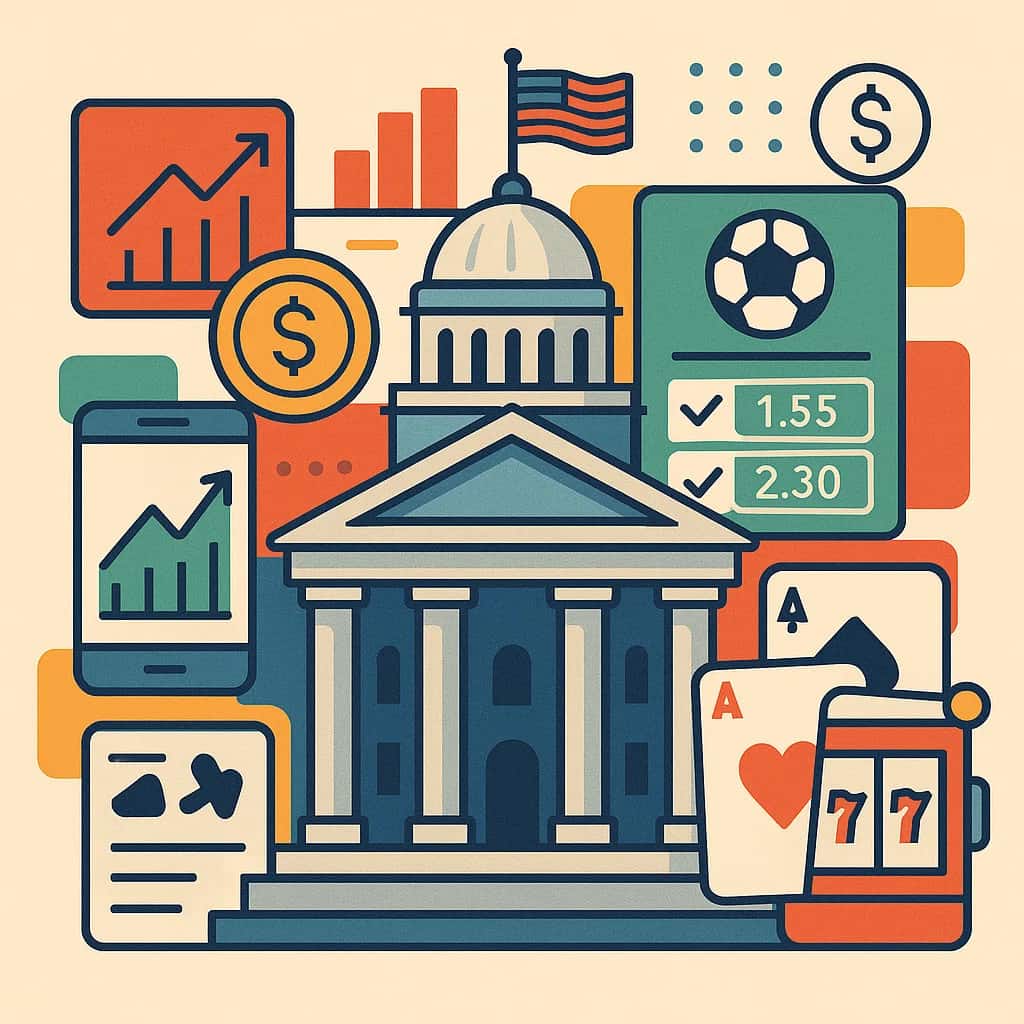
 Football grips Indonesia like a fever, with millions glued to screens or packing stadiums to cheer their teams. Yet, the thrill of the game often spills into betting, a practice that remains illegal under the country’s strict laws. As political winds shift and elections loom, the question arises: could politics reshape the legal landscape of football betting in Indonesia? The interplay between governance, cultural values, and public demand creates a complex debate, with voices pushing for regulation and others demanding tighter bans.
 Gambling scandals are major issues among congressmen and senators since they vote on laws to regulate or prohibit gambling on slot online and other forms of betting activities. In Michigan, the Daily Beast revealed that sometime in 2019, Rep. Matt Hall, the current minority leader of the Michigan House of Representatives, was involved in a gambling scandal. At that time, sports betting was not yet allowed in Michigan, since only New Jersey and other states that followed passed
  In Indonesia, numerous lawmakers were involved in dishonest and corrupt activities notwithstanding that they project devotion to the Islamic Laws of their religion.