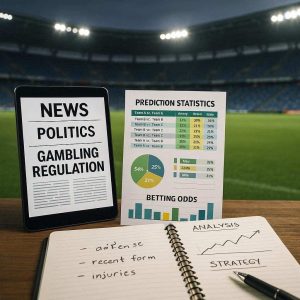
Understanding the Role of Politics and Gambling in Sports Betting

Today football prediction is often viewed as a purely statistical activity. Many bettors focus only on team form and match data. However, politics and gambling regulations play an important role in shaping the betting landscape. Understanding this environment helps you make more informed decisions.
Governments regulate sports betting differently across countries. Some nations allow fully licensed bookmakers. Others impose strict restrictions or outright bans. These regulations influence which platforms operate legally and how they set their odds. As a bettor, you must understand the legal framework in your region.

Tax policies affect bookmakers directly. Higher taxes may reduce promotional offers or adjust payout structures. This can influence the value you receive from certain markets. Awareness of these policies helps you choose platforms carefully.

Advertising restrictions are another political factor. In some countries, betting ads are limited to protect consumers. This reduces aggressive promotion and may create a more stable market. In less regulated regions, heavy advertising can increase betting activity and public hype.

Political stability also influences sports operations. Travel restrictions, visa delays, and diplomatic tensions can affect international competitions. Teams may struggle with preparation if external factors interfere. These issues may not appear in match statistics, but they can influence performance.

The Connection Between Public Sentiment and Betting Markets

Politics often shapes public opinion. Major national events or social issues can influence fan behavior. In international tournaments, national pride increases emotional support for certain teams. This can affect betting volume and shift odds.

When many bettors support a popular team, bookmakers adjust their pricing. Odds may shorten even if performance data does not fully justify it. This creates potential value opportunities on less favored teams. Understanding this dynamic helps refine today football prediction strategies.

Media coverage also plays a strong role. News headlines may exaggerate a team’s strength or weakness. Political controversies involving players or clubs can create distractions. These factors may affect morale and focus.

Economic conditions within a country can impact club finances. Financial limitations may restrict player transfers or squad depth. Over time, this influences team competitiveness. Long-term political and economic trends shape league strength and stability.

Responsible gambling campaigns are often driven by government initiatives. Deposit limits, self-exclusion tools, and awareness programs are designed to protect bettors. These measures promote safer betting behavior and encourage discipline.

Understanding the political and regulatory environment allows you to evaluate risk more clearly. It also helps you recognize when market movement is driven by sentiment rather than solid analysis.

Building a Balanced Today Football Prediction Strategy

Today football prediction should combine statistical research with awareness of external influences. Match data interpretation remains essential. Review recent form, goals scored, defensive performance, and head-to-head history.

At the same time, consider broader factors. Check if a team faces travel challenges. Review any political or administrative issues affecting the club. These elements may influence preparation and focus.

Bankroll management remains a priority. Set a fixed budget before betting. Divide it into smaller units to reduce risk. Even strong predictions can fail due to unexpected events.

Avoid emotional betting driven by public hype. Analyze whether odds movement reflects genuine performance shifts or simple market enthusiasm. Calm evaluation improves consistency.

Keep detailed records of your wagers. Note your reasoning for each prediction. Review results regularly to identify strengths and areas for improvement.

Specializing in certain leagues enhances accuracy. When you understand the political and regulatory environment of a specific region, you interpret market behavior more effectively.

Sports betting should remain controlled and sustainable. Politics and gambling regulations shape the industry, but disciplined analysis shapes your results. By combining data-driven research with awareness of external influences, you create a more complete today football prediction approach.

Casinos Without a UK License and the Link Between Politics and Gambling

Casinos without UK license have become more visible in recent years. At the same time, gambling laws have become a political topic in many countries. Governments now debate how much control should exist over online betting. These discussions directly affect how casinos operate and how players access gambling platforms.


Why Casinos Operate Without a UK License

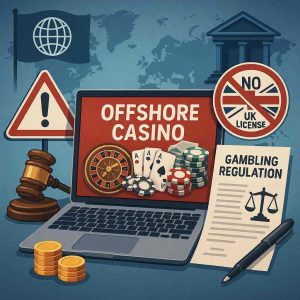
Casinos without a UK license are platforms that choose not to register with the UK Gambling Commission. Instead, they operate under licenses from other regions. These may include Curacao or other international regulators. This approach allows them to follow different rules.

The UK has strict gambling regulations. These rules aim to protect players and reduce harm. They include limits on bonuses, deposits, and advertising. While these rules are designed for safety, some operators see them as too restrictive.

By operating outside the UK system, casinos gain flexibility. They can offer higher bonuses, fewer betting limits, and faster sign-ups. This makes them attractive to players who want fewer controls.

Politics plays a role here. Gambling laws are shaped by public pressure and government goals. In the UK, gambling reform has focused on consumer protection. This has pushed some operators to target international markets instead.

As rules tighten in one country, businesses often move to regions with lighter regulation. This is common across many industries, not just gambling.

How Politics Shapes Gambling Laws Worldwide

Gambling regulation is deeply tied to politics. Governments balance revenue, public health, and social concerns. Some countries view gambling as an economic opportunity. Others see it as a risk that needs control.

In stricter regions, politicians often respond to concerns about addiction and debt. This leads to tighter laws and more oversight. In more relaxed regions, governments focus on attracting businesses and tax revenue. This creates space for offshore casinos.

International differences create a patchwork of rules. A casino legal in one country may be restricted in another. This is why many platforms operate globally but avoid certain markets.

Political debates also affect advertising and access. Some governments block gambling sites or restrict payment methods. Others allow open access but impose taxes or reporting rules.

Casinos without a UK license exist because global regulation is not unified. There is no single international gambling authority. Each country sets its own rules based on political priorities.

For players, this means choice but also complexity. Access depends on location, laws, and enforcement.

What This Means for Players and the Future of Gambling

For players, casinos without a UK license offer both opportunity and risk. The opportunity comes from flexibility. These platforms often provide wider game options, higher bonuses, and fewer restrictions.

The risk comes from limited protection. UK-licensed casinos must follow strict dispute and fairness rules. Offshore platforms may follow different standards. If a problem occurs, resolving it can be harder.

Players should stay informed. Understanding why a casino operates offshore helps set expectations. Not all non-UK licensed casinos are unsafe, but not all are reliable either.

Looking ahead, politics will continue to shape gambling. Some countries may tighten rules further. Others may open markets to attract operators. Technology also plays a role, especially with digital payments and global access.

We may see more international cooperation in the future. Governments could work together to set basic standards. Until then, offshore casinos will remain part of the landscape.

For now, responsible play and careful research are essential. Players should choose platforms with clear licensing, good reviews, and strong support systems.

Casinos without a UK license exist because gambling laws are shaped by politics. Different countries have different goals and concerns. This creates both strict and relaxed environments for operators. For players, this means more choice but also more responsibility. Understanding the political and regulatory background helps you make better decisions. Gambling should always remain informed, controlled, and enjoyable.

Impact brought by Political Decisions in Bateu Bet and the Betting Market

Political decisions have long played a decisive role in shaping financial markets, and the betting industry is no exception. As online sports betting and online casino platforms like Bateu bet expand across global markets, government actions increasingly determine how these markets operate, who may participate, and under what conditions.

Understanding this relationship is essential for bettors, operators, and regulators seeking stability and transparency in an industry defined by rapid change. The influence of political decision-making becomes particularly evident when examining how policy shifts affect market confidence, platform legitimacy, and long-term industry growth.

Why Political Decisions Play a Significant Role in Betting Markets?

Political decisions directly define the legal, economic, and regulatory framework within which betting market function. Changes in leadership, parliamentary votes, or national elections often bring revised positions on gambling legalization, taxation, and consumer protection.

These shifts can produce immediate effects on betting odds, market availability, and investor sentiment.

In jurisdictions where gambling policy is actively debated, even proposed legislation may generate uncertainty, influencing both short-term betting behavior and long-term strategic planning by operators.

How Online Betting Platforms Navigate Political Decisions?

Within this regulatory environment, Bateu Bet shows how online gambling platforms must operate under consistent political scrutiny.

Legitimacy is closely linked to compliance with evolving laws, secure payment systems, and transparent operational standards. As governments introduce new rules or enforcement mechanisms.

Any websites operating in this industry must continuously align with updated requirements to preserve trust and market credibility.

How Legislation and Regulation Shape Betting Availability and Market Access?

Legislation determines where betting markets can legally exist and who is permitted to participate.

Some governments adopt progressive regulatory frameworks that encourage competition and innovation, while others impose restrictions that limit or prohibit certain forms of betting. These differences create uneven global markets, where user experiences vary significantly by jurisdiction.

As a result, operators must adapt offerings to local legal standards while maintaining competitive appeal within regulated environments.

How Bettors and Operators adapt to Changing Political Landscapes?

Political shifts require both bettors and operators to respond quickly. Bettors may gravitate toward regulated platforms, explore alternative betting markets, or focus on sports less affected by policy changes.

Operators, meanwhile, invest heavily in compliance infrastructure, legal expertise, and adaptive technology to anticipate and respond to regulatory developments.

In politically dynamic regions, adaptability becomes a critical factor in sustaining operations and protecting market position.

Government Actions affecting Sportsbook Operations, Licensing, and Taxation

Licensing structures and taxation policies represent some of the most influential political tools shaping betting markets. Higher tax rates can compress operator margins, potentially affecting odds, promotions, and market competitiveness. Conversely, transparent and consistent licensing frameworks enhance credibility, attract international participation, and encourage long-term investment.

Political Decisions as Ongoing Drivers of Change within Betting Markets

Political decision-making will continue to drive change across betting markets as governments respond to economic pressures, technological advancement, and social responsibility concerns.

Increased focus on responsible gambling, digital security, and consumer protection is likely to intensify regulatory oversight. For Bateu bet and similar online gambling sites, maintaining compliance, transparency, and legitimacy will remain central to sustainable growth. Ultimately, understanding political influence equips stakeholders to navigate uncertainty while supporting a more stable, trustworthy, and regulated betting ecosystem.

Exploring Casinos without UK License and the Appeal it Generates

Casinos without UK license have steadily attracted players seeking alternative platforms with fewer restrictions. These operators often offer a wider range of games, flexible payment methods, and enticing rewards that may not be accessible within UK-regulated environments. For many users, the appeal lies in exploring international platforms that provide greater choice and autonomy. 

While this trend continues to grow, it is essential to examine the external forces shaping the industry, particularly how political decisions and regulatory measures are influencing the future of online gambling worldwide.

Politics and Online Gambling Regulations

Politics has always played a central role in shaping gambling laws, reflecting the balance between public interest and economic priorities. Governments often impose restrictions not only to safeguard players from harmful practices but also to regulate tax revenues, ensure fair play, and maintain broader oversight of the industry. 

In recent years, debates on gambling regulation have intensified, with policymakers facing pressure to encourage innovation and economic growth while addressing the social costs of problem gambling, addiction, and financial harm. 

As a result, regulatory frameworks are becoming more complex, with greater emphasis on responsible gambling measures, advertising limits, and consumer protection.

Global Shifts in Policy

Different regions are taking varied approaches to online gambling regulation, reflecting diverse cultural attitudes, economic priorities, and political landscapes. Some countries are opening their markets with licensing frameworks designed to attract international operators, stimulate competition, and generate tax revenue. Others, however, are tightening restrictions to limit access, citing concerns over addiction, financial harm, or cultural values that discourage gambling. 

These political shifts create ripple effects across the industry, shaping investment strategies, advertising practices, and ultimately influencing where and how players can participate in online betting. Over time, these contrasting approaches may lead to a fragmented global market, where opportunities and risks differ significantly by region.

Lobbying and Industry Pressure

The gambling industry itself is an active player in shaping policy, often leveraging its economic influence to sway regulatory outcomes. Through lobbying efforts, industry groups, and international organizations, operators push for more flexible frameworks that enable innovation, cross-border market expansion, and increased profitability. At the same time, advocacy groups, public health organizations, and community stakeholders call for stricter rules. It’s aimed at protecting vulnerable individuals, reducing problem gambling, and limiting aggressive advertising. 

This creates a delicate balancing act for lawmakers, who must weigh economic opportunities against social responsibility while responding to competing pressures from powerful industry players and concerned citizen groups.

Future of Regulation

As politics continues to intersect with technology and culture, online gambling regulations are likely to evolve in increasingly dynamic ways. Stricter frameworks may emerge in response to public concerns over addiction, underage access, and aggressive marketing. Thus, reflecting the growing demand for consumer protection and ethical oversight. 

At the same time, opportunities for innovation, digital integration, and global collaboration will expand, as platforms experiment with new technologies such as blockchain, AI-driven safeguards, and cross-border partnerships. The central challenge for governments will be finding an equilibrium. Created policies should be focused on protecting players and enable sustainable industry growth. At the same time, new guidelines should not restrict innovation or generate loopholes that can be exploited.

How to Select the Best Online Casino to Play at?

Online casinos have revolutionized the gambling industry, providing players with convenience and a wide variety of gaming options. With so many platforms available, selecting the best online casino can be overwhelming. Choosing wisely ensures a safe and enjoyable gaming experience while maximizing potential rewards. By considering essential factors, players can make informed decisions and find platforms that cater to their gaming preferences.

Understanding the Features of the Best Online Casino

A top-tier online casino stands out due to its comprehensive features. Security and licensing are primary considerations, as reputable platforms operate under recognized regulatory bodies.

Reliable casinos also offer diverse gaming selections, including slots, poker, blackjack, and live dealer games.

Payment flexibility is another crucial factor; the best online casinos support multiple deposit and withdrawal methods, ensuring smooth transactions for players. Additionally, customer support should be accessible and responsive, providing assistance whenever needed.

Evaluating Bonuses and Promotions

Many online casinos attract players through enticing bonuses and promotions. Welcome bonuses, free spins, and cashback offers can enhance the gaming experience by providing additional playing value.

However, players should carefully read the terms and conditions associated with these promotions. Betting requirements, withdrawal limits, and game restrictions often determine how beneficial a bonus truly is. Choosing a casino with fair and transparent bonus policies can significantly impact the overall gaming experience.

User Experience and Mobile Compatibility

A seamless user experience is another critical aspect of selecting an online casino. Intuitive website navigation, fast loading times, and high-quality graphics contribute to player satisfaction. Additionally, mobile compatibility plays a vital role in modern online gambling. The best online casinos offer mobile-friendly websites or dedicated apps, allowing players to enjoy their favorite games anytime and anywhere. Responsive mobile gaming platforms ensure that users do not miss out on any features available on desktop versions.

Ensuring Fair Play and Responsible Gaming

Fairness and responsible gaming practices are fundamental to a trustworthy online casino. Independent audits from organizations like eCOGRA or iTech Labs verify game fairness and randomness. Moreover, responsible gaming features, such as deposit limits, self-exclusion options, and reality checks, help players maintain control over their gambling habits. Selecting an online casino that prioritizes fairness and responsible gambling safeguards players from potential risks and promotes a safe gaming environment.

By considering these factors, players can confidently choose the best online casino that aligns with their preferences. A careful selection process ensures a secure, enjoyable, and rewarding online gaming experience.


The Role of Non-GamStop Casinos in Regulatory Debates

online casinos

Gambling regulations often reflect a country’s political climate. Some governments impose strict measures to control betting activities, while others adopt a more lenient approach. The debate surrounding these laws is ongoing, especially with the rise of non GamStop casinos operating outside UK restrictions.

Understanding the GamStop System

GamStop is a self-exclusion program designed to help UK players limit their gambling activities. Once registered, users are blocked from accessing licensed UK gambling sites. While the initiative promotes responsible gaming, it has sparked debates over personal freedom and regulatory reach.

The Political Divide Over Gambling Laws

Political parties and lawmakers hold differing views on gambling regulation. Some advocate tighter restrictions to protect vulnerable players, while others argue that adults should be free to choose where and how they gamble. This divide influences the future of gambling laws and how they adapt to an evolving industry.

Support for Stricter Regulations

Proponents of strict gambling laws believe that betting addiction is a public health concern. They support measures such as deposit limits, advertising restrictions, and self-exclusion programs like GamStop. For them, ensuring player safety outweighs the right to unrestricted access to gambling sites.

Arguments for a More Open Market

Opponents of heavy restrictions argue that players will find alternatives if access is limited. Non-GamStop casinos attract players who seek fewer restrictions, and banning them entirely is nearly impossible. Critics of strict regulations suggest that the government should focus on better consumer education and responsible gambling tools instead of outright bans.

The Role of Non-GamStop Casinos

Casinos outside GamStop’s network have become a significant part of gambling. These platforms operate under licenses from other jurisdictions, allowing UK players to bypass domestic restrictions. While they offer an alternative, they also raise concerns about player protection and regulatory oversight.

Why Players Choose Non-GamStop Casinos

There are several reasons why players opt for offshore gambling sites. Some feel restricted by GamStop and want more control over their gaming choices. Higher betting limits, better bonuses, or a wider range of games draw others. These factors make non-GamStop casinos appealing to many UK players.

Regulatory Challenges

Because these casinos are licensed outside the UK, they do not follow UKGC (UK Gambling Commission) rules. This creates a regulatory gray area where player protection standards vary. Lawmakers face the challenge of balancing consumer freedom with adequate safeguards.

Potential Reforms in Gambling Laws

Given the popularity of non-GamStop casinos, some policymakers suggest reforms that accommodate player demands while ensuring responsible gambling practices. Possible changes include revising self-exclusion programs, allowing regulated offshore options, or creating hybrid systems where players have more control over their restrictions.

The Future of Gambling Regulation

With technology advancing and gambling habits evolving, regulatory frameworks must adapt. The key question remains: should governments impose stricter control or allow players to make their own choices while providing safeguards? The ongoing political debate will shape the future of the industry.

Conclusion

Non-GamStop casinos play a crucial role in the gambling debate. While they provide an alternative for players seeking fewer restrictions, they challenge traditional regulatory models. As discussions continue, policymakers must balance regulation and personal freedom.


The Intersection of Politics and Gambling: How Regulations Shape Trusted Togel Platforms

Online gambling has become a booming industry globally, particularly in regions where lotteries like Togel are immensely popular. Political decisions and regulatory frameworks play a critical role in shaping how these platforms operate, particularly regarding the legality and safety of online betting. Togel, a number-based lottery game rooted in Southeast Asia, has gained traction globally. However, its operation is heavily influenced by national politics and laws that vary from one country to another.

The rise of trusted Togel platforms is often a direct result of the interplay between political forces and gambling regulation. Visit ittelkom for more details on the current regulatory landscape and how it affects various industries. Understanding these regulations can provide insight into how governments balance allowing economic growth through gambling and protecting the public from potential harm.

The Role of Politics in Gambling Regulation

Political stances on gambling vary widely around the world, from complete prohibition to liberal acceptance. Governments often regulate gambling to minimize its potential social harms, such as addiction and financial ruin. At the same time, they recognize its potential as a significant source of revenue. Togel platforms, in particular, are often in the spotlight due to the ease of online access and the large sums of money involved.

  1. Government Revenue: In countries where gambling is legal, governments often tax Togel operators, generating substantial income. This revenue can support public services like healthcare and education. However, it also raises ethical questions. Should governments promote gambling if it increases tax income, even if it has social consequences?
  2. Consumer Protection: Political frameworks often seek to protect consumers by enforcing licensing and regulatory measures. Trusted Togel platforms must comply with strict rules, ensuring they are transparent about their odds, prevent underage gambling, and support problem gamblers.
  3. Political Pressures: Sometimes, public opinion pushes politicians to tighten or loosen gambling laws. Changes in leadership can bring swift alterations to regulations, leaving Togel platforms scrambling to adapt. A government more inclined toward free-market capitalism might allow more online gambling freedom, while a more conservative government could restrict it.

Regulation Challenges Faced by Togel Platforms

1. Licensing Requirements

Many Togel platforms operate across borders, making it difficult to standardize regulations. Countries have their own rules regarding online gambling, and operators must navigate these laws to offer trusted services. Trusted Togel platforms are usually licensed by gambling authorities in specific countries or regions, such as the Malta Gaming Authority or the UK Gambling Commission. These licensing bodies impose strict rules on the platforms, requiring them to maintain fairness, protect player data, and ensure prompt payment of winnings.

2. Combatting Illegal Operations

Unregulated Togel platforms pose a significant risk to consumers, as they often operate without any oversight. Players on these platforms have little recourse if their winnings are not paid out or if they encounter security issues. Many countries have been tightening their regulations to combat illegal Togel operations, but enforcement remains a challenge, especially in jurisdictions where gambling laws are ambiguous or poorly enforced.

3. Cross-Border Operations

Because Togel is particularly popular in Southeast Asia, many trusted platforms are based there but cater to global audiences. This can create jurisdictional challenges, where operators must comply with different sets of laws depending on where their customers are located. This complexity often requires platforms to employ legal experts to ensure compliance, driving up operational costs.

The Impact of Regulatory Changes

1. Economic Effects

When governments introduce new regulations or change existing laws, it can have a profound impact on the gambling industry. Tightening regulations may cause some Togel platforms to exit specific markets, reducing competition and potentially driving up costs for players. On the other hand, clear, consistent regulations can make a market more attractive for operators, encouraging investment and innovation.

2. Consumer Trust

Trust is the foundation of the online gambling industry. Players are more likely to use a Togel platform if they believe it is regulated and operates within the bounds of the law. Regulatory changes that enhance transparency, provide better player protection, or improve dispute resolution processes can increase consumer confidence in trusted platforms.

3. Social Responsibility

Regulated Togel platforms are often required to implement measures that promote responsible gambling. This can include tools for self-exclusion, limits on how much money players can deposit, and resources for those struggling with gambling addiction. Political decisions around regulation can directly affect how well these measures are enforced and what protections are available to players.

The Future of Togel and Politics

As online gambling continues to grow, it’s likely that political and regulatory landscapes will evolve in response. Governments worldwide increasingly recognize the need to update their laws to account for the rapid technological advances in the gambling sector. For Togel platforms, this could mean stricter compliance standards, higher taxes, or greater emphasis on social responsibility.

At the same time, the push for more deregulation in certain countries may provide new opportunities for growth. Platforms that can adapt quickly to changing political environments will have the best chance of maintaining their status as trusted providers in the online gambling world.

READ ALSO: How Indonesia’s Slot Gacor Craze is Shaping the Political Landscape

Conclusion

The intersection of politics and gambling is a complex and ever-changing dynamic. For Togel platforms, the key to success is navigating these regulatory landscapes while maintaining consumer trust. As political attitudes toward gambling continue to shift, trusted Togel platforms must remain agile, ensuring they comply with the latest laws while offering secure, fair, and responsible services.

How Indonesia’s Slot Gacor Craze is Shaping the Political Landscape

gambling laws in Indonesia

Indonesia has seen a rapid rise in the popularity of online gambling, particularly with the phenomenon known as “slot gacor.” This trend isn’t just reshaping the entertainment industry; it’s also starting to have significant political ramifications. As online slot games become more entrenched in Indonesian society, they are beginning to intersect with political discourse, regulation, and even policy-making.

The government’s stance on online gambling is complex. While many forms of gambling are illegal in Indonesia due to the country’s predominant religious and cultural beliefs, online gambling has slipped through the cracks of regulation. This loophole has allowed the situs slot gacor trend to flourish, leading to debates among policymakers about the best way to address the situation.

Gambling and Government Regulations

The growing popularity of situs slot gacor forces the Indonesian government to confront the challenges of regulating online gambling. As more citizens participate in these games, there is increased pressure on the government to implement stricter regulations or even ban online gambling altogether. However, this is a delicate issue. On one hand, stricter regulations could appease conservative factions within the country that view gambling as immoral. On the other hand, a complete ban could drive the activity underground, making it harder to monitor and control.

This tension between regulation and freedom is becoming a central issue in Indonesian politics. Some political leaders argue for stronger enforcement of existing laws, while others advocate for a more balanced approach that includes education and harm reduction strategies. As the debate continues, the future of slot gacor and other online gambling activities in Indonesia remains uncertain.

Impact on Elections and Policy-Making

The slot gacor craze is also starting to influence electoral politics in Indonesia. Politicians are beginning to recognize the potential voting power of the millions of Indonesians who gamble online. Some are using this as an opportunity to gain favor by promising to protect gamblers’ rights or regulate the industry more effectively. Others are taking a harder stance, pledging to crack down on online gambling as a way to appeal to conservative voters.

As a result, online gambling could become a key issue in upcoming elections, with candidates taking clear stances on the regulation and legality of these activities. This, in turn, could shape policy decisions for years to come, impacting the gambling industry and the broader landscape of Indonesian politics.

READ ALSO: Corrupt Politicians and Lack of Serious Concerns in Legislating Effective Gambling Laws

Public Opinion and the Future

Public opinion on gambling is deeply divided in Indonesia. While some see it as a harmless form of entertainment, others view it as a moral issue that needs to be addressed. This divide is reflected in the political discourse, with different parties and politicians taking varying stances on the issue.

As the slot gacor trend grows, public opinion will likely play an increasingly important role in shaping government policy. If the majority of Indonesians begin to view online gambling as a legitimate form of entertainment, it could lead to more lenient regulations and a greater acceptance of these activities. Conversely, if public opinion turns against online gambling, it could lead to stricter laws and harsher penalties for those who participate in these games.

The intersection of politics and gambling in Indonesia is a dynamic and evolving issue. As slot gacor continues to gain popularity, it will be interesting to see how it shapes the political landscape and influences the future of online gambling in the country.