

The Legal Side of Demo Slots: What You Should Know
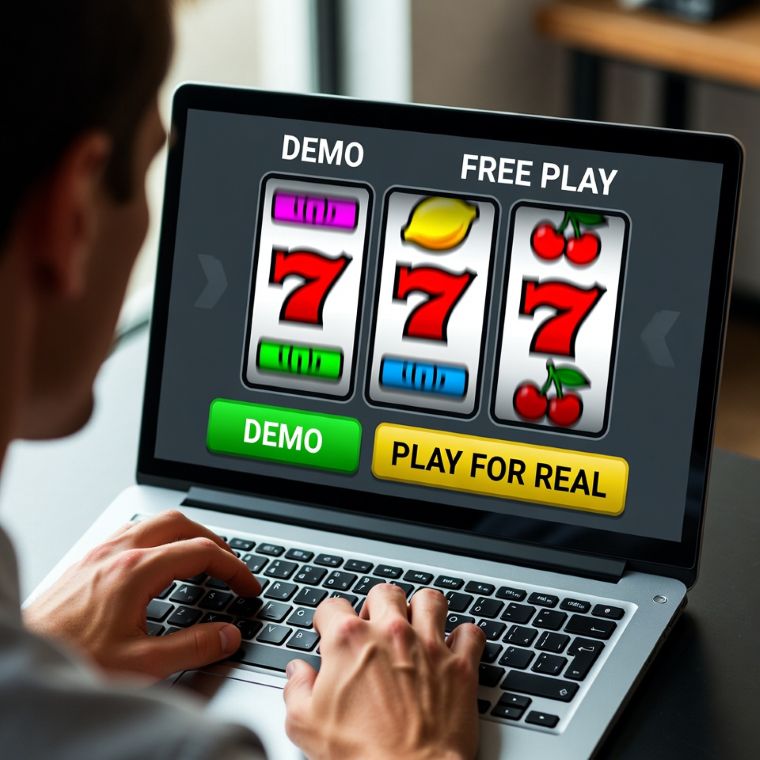
Online slots have become a popular form of entertainment worldwide. Many players try out games without spending real money through demo versions. These demo slots allow players to explore features, understand pay lines, and enjoy gameplay risk-free. Despite being free, demo slots fall under specific legal frameworks, and their availability often depends on local gambling regulations and political decisions.
Some websites offer a slot PG demo that provides a safe environment for new players to practice. These demo games are legally different from real money slots because they do not involve wagering actual money. However, governments and regulators still monitor them to ensure ethical use and prevent promotion of illegal gambling activities. Offering demos responsibly is a priority for most licensed operators, and players benefit from understanding which sites comply with regulations.
How Demo Slots Fit Into Gambling Regulations
Demo slots are generally classified as non-gambling software. Since no real money changes hands, they are considered a form of entertainment rather than gambling. This distinction is important because many countries have strict laws governing online gambling. Regulators focus on protecting consumers from financial risk, ensuring that operators follow licensing requirements, and preventing underage access.
Despite being legal, the distribution of demo slots can be influenced by local laws. In some regions, even free versions of gambling games are restricted if they closely resemble real money games. Governments may impose age verification measures or limit access to certain online platforms. These rules aim to prevent exposure to gambling for minors and vulnerable populations while still allowing adults to enjoy the entertainment safely.
Political Decisions and Accessibility
Political choices often impact how accessible demo slots are online. Lawmakers may adjust policies to support local gaming industries, protect consumers, or generate tax revenue. Changes in legislation can make certain slot games unavailable in some countries while freely accessible in others. Operators must adapt quickly to remain compliant, which affects how players experience online slot offerings. This is why understanding the political influence on gambling regulations can help players navigate the evolving landscape.
Debates over gambling regulations can affect the expansion of online slot platforms. Some governments encourage gambling tourism and online entertainment, making demo slots widely available. Others take a more conservative approach, imposing strict access restrictions and limiting marketing efforts. Players who enjoy demo slots must stay informed about the rules in their country to avoid accidentally accessing content that might be restricted or unlicensed.
Responsible Gaming and Demo Slots
Even without real money stakes, demo slots can teach responsible gaming habits. They allow players to experiment with strategies, understand volatility, and manage their expectations before spending money. This educational aspect is important because it helps reduce impulsive gambling behavior when transitioning to real money games.
Operators often integrate educational tools into demo slots. Pop-ups or tutorials may explain odds, payout percentages, and responsible gambling guidelines. These measures ensure that players treat demo slots as practice and entertainment, not a shortcut to earning money. Understanding these elements can help gamblers make informed choices and avoid financial pitfalls when moving to live games.
Conclusion
Demo slots occupy a unique legal space in online gaming. While they do not involve real money, regulations and political decisions shape their availability and usage. A slot PG demo provides a legal and safe way for players to enjoy slots while learning strategies, but staying aware of local laws remains essential. Understanding the rules ensures a fun and secure experience, bridging the gap between free play and real money gambling.
Players should embrace demo slots responsibly and always check regulatory compliance. These games offer a risk-free learning environment, helping players prepare for real stakes while staying within the bounds of the law.