161 Bet Follows Political Changes to Push Growth of Online Gambling

Online gambling has experienced remarkable growth in recent years, and 161 Bet has been at the forefront, offering convenient, engaging, and accessible experiences. Today, players can place bets on casino games or sports events from the comfort of their homes, reflecting a global shift in entertainment preferences.

This rise is not solely recreational, political decisions, regulatory frameworks, and government policies play a role in determining how online gambling expands. Understanding the connection between politics and gambling is essential for both players and policymakers alike.

Why Online Gambling is Growing?

There have been several factors at play that contributed to the growth of online gambling. Technological advancements have made platforms more accessible, allowing users to play on mobile devices, tablets, and computers.

Sites like 161 Bet provide intuitive interfaces, live streaming options, and secure payment systems, fostering user trust and engagement. At the same time, societal attitudes toward gambling are evolving, with more people seeing it as a legitimate form of entertainment. Governments are recognizing this shift, introducing policies that encourage regulated growth rather than pushing gambling underground.

Together, these developments have accelerated the popularity of online betting.

Legalization and Government Revenue

A major political motivation for legalizing online gambling is the potential for significant government revenue. Through licensing fees, taxes on winnings, and regulatory compliance, 161 Bet and similar services contribute millions to public budgets annually.

These funds can be reinvested into social programs, infrastructure projects, and public services, creating tangible societal benefits.

Legalization also enhances transparency and reduces the risks linked to illegal betting markets, making online gambling not just profitable for businesses but also an important economic tool for governments seeking diversified revenue streams.

Employment Opportunities through Online Gambling

Legalized online gambling also has a notable impact on employment. These businesses require professionals across various fields, including:

  • Software development
  • Cybersecurity
  • Marketing
  • Customer support

The sector also stimulates indirect employment in related industries, such as financial services, media, and IT infrastructure.

By permitting online betting, governments influence job markets and promote skill development, showing how political decisions affect both leisure and economic livelihoods.

Driving Technology and Digital Services

The demand for secure, efficient, and engaging platforms has fueled innovation in the online gambling sector. Many online gambling sites have invested in advanced algorithms, real-time analytics, and AI-driven features to enhance player experiences. Political support through regulation and digital infrastructure development encourages this technological progress, benefiting not only gambling but also broader digital services.

These advancements create opportunities in cybersecurity, app development, and financial technology, illustrating the relationship between politics, technology, and entertainment.

Connection between Online Gambling and Politics

The link between politics and online gambling highlights how regulatory decisions drive economic growth, technological innovation, and employment opportunities. Websites like 161 Bet are more than entertainment hubs. They reflect broader societal and political trends that shape the digital gambling landscape.

As legalization spreads and technology evolves, political influence will remain a key factor in the sector’s growth, sustainability, and long-term success.
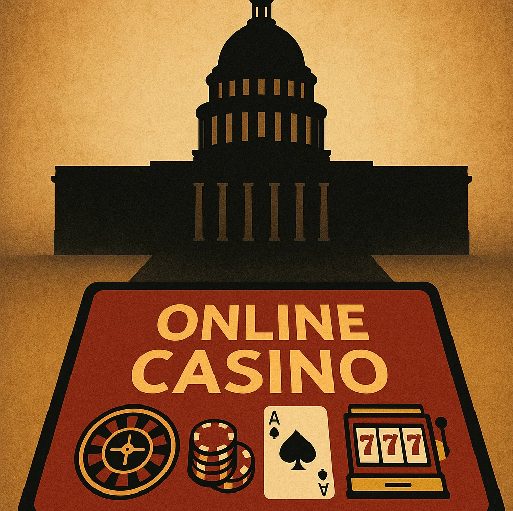

Exploring Casinos without UK License and the Appeal it Generates

Casinos without UK license have steadily attracted players seeking alternative platforms with fewer restrictions. These operators often offer a wider range of games, flexible payment methods, and enticing rewards that may not be accessible within UK-regulated environments. For many users, the appeal lies in exploring international platforms that provide greater choice and autonomy. 

While this trend continues to grow, it is essential to examine the external forces shaping the industry, particularly how political decisions and regulatory measures are influencing the future of online gambling worldwide.

Politics and Online Gambling Regulations

Politics has always played a central role in shaping gambling laws, reflecting the balance between public interest and economic priorities. Governments often impose restrictions not only to safeguard players from harmful practices but also to regulate tax revenues, ensure fair play, and maintain broader oversight of the industry. 

In recent years, debates on gambling regulation have intensified, with policymakers facing pressure to encourage innovation and economic growth while addressing the social costs of problem gambling, addiction, and financial harm. 

As a result, regulatory frameworks are becoming more complex, with greater emphasis on responsible gambling measures, advertising limits, and consumer protection.

Global Shifts in Policy

Different regions are taking varied approaches to online gambling regulation, reflecting diverse cultural attitudes, economic priorities, and political landscapes. Some countries are opening their markets with licensing frameworks designed to attract international operators, stimulate competition, and generate tax revenue. Others, however, are tightening restrictions to limit access, citing concerns over addiction, financial harm, or cultural values that discourage gambling. 

These political shifts create ripple effects across the industry, shaping investment strategies, advertising practices, and ultimately influencing where and how players can participate in online betting. Over time, these contrasting approaches may lead to a fragmented global market, where opportunities and risks differ significantly by region.

Lobbying and Industry Pressure

The gambling industry itself is an active player in shaping policy, often leveraging its economic influence to sway regulatory outcomes. Through lobbying efforts, industry groups, and international organizations, operators push for more flexible frameworks that enable innovation, cross-border market expansion, and increased profitability. At the same time, advocacy groups, public health organizations, and community stakeholders call for stricter rules. It’s aimed at protecting vulnerable individuals, reducing problem gambling, and limiting aggressive advertising. 

This creates a delicate balancing act for lawmakers, who must weigh economic opportunities against social responsibility while responding to competing pressures from powerful industry players and concerned citizen groups.

Future of Regulation

As politics continues to intersect with technology and culture, online gambling regulations are likely to evolve in increasingly dynamic ways. Stricter frameworks may emerge in response to public concerns over addiction, underage access, and aggressive marketing. Thus, reflecting the growing demand for consumer protection and ethical oversight. 

At the same time, opportunities for innovation, digital integration, and global collaboration will expand, as platforms experiment with new technologies such as blockchain, AI-driven safeguards, and cross-border partnerships. The central challenge for governments will be finding an equilibrium. Created policies should be focused on protecting players and enable sustainable industry growth. At the same time, new guidelines should not restrict innovation or generate loopholes that can be exploited.

How to Select the Best Online Casino to Play at?

Online casinos have revolutionized the gambling industry, providing players with convenience and a wide variety of gaming options. With so many platforms available, selecting the best online casino can be overwhelming. Choosing wisely ensures a safe and enjoyable gaming experience while maximizing potential rewards. By considering essential factors, players can make informed decisions and find platforms that cater to their gaming preferences.

Understanding the Features of the Best Online Casino

A top-tier online casino stands out due to its comprehensive features. Security and licensing are primary considerations, as reputable platforms operate under recognized regulatory bodies.

Reliable casinos also offer diverse gaming selections, including slots, poker, blackjack, and live dealer games.

Payment flexibility is another crucial factor; the best online casinos support multiple deposit and withdrawal methods, ensuring smooth transactions for players. Additionally, customer support should be accessible and responsive, providing assistance whenever needed.

Evaluating Bonuses and Promotions

Many online casinos attract players through enticing bonuses and promotions. Welcome bonuses, free spins, and cashback offers can enhance the gaming experience by providing additional playing value.

However, players should carefully read the terms and conditions associated with these promotions. Betting requirements, withdrawal limits, and game restrictions often determine how beneficial a bonus truly is. Choosing a casino with fair and transparent bonus policies can significantly impact the overall gaming experience.

User Experience and Mobile Compatibility

A seamless user experience is another critical aspect of selecting an online casino. Intuitive website navigation, fast loading times, and high-quality graphics contribute to player satisfaction. Additionally, mobile compatibility plays a vital role in modern online gambling. The best online casinos offer mobile-friendly websites or dedicated apps, allowing players to enjoy their favorite games anytime and anywhere. Responsive mobile gaming platforms ensure that users do not miss out on any features available on desktop versions.

Ensuring Fair Play and Responsible Gaming

Fairness and responsible gaming practices are fundamental to a trustworthy online casino. Independent audits from organizations like eCOGRA or iTech Labs verify game fairness and randomness. Moreover, responsible gaming features, such as deposit limits, self-exclusion options, and reality checks, help players maintain control over their gambling habits. Selecting an online casino that prioritizes fairness and responsible gambling safeguards players from potential risks and promotes a safe gaming environment.

By considering these factors, players can confidently choose the best online casino that aligns with their preferences. A careful selection process ensures a secure, enjoyable, and rewarding online gaming experience.


6 Ways Gambling in Soccer Broadcasts Mirrors the Political Climate

A soccer stadium with advertisements for betting companies visible, reflecting political influence on sports broadcasts.

For a long time now, the confluence of sport and politics has been an area of interest and debate, and soccer broadcasts (축구중계) are no exception.

In recent years, the advertising of betting or gambling during the soccer broadcasts has received a lot of focus.

Such changes are often accompanied by a shifting social and political environment as well as changes in government policies and legal practices.

From marketing and advertising to framing, here are six ways in which the changing nature of betting on soccer broadcasts is indicative of political developments.

1. Legalization of Gambling Reflects Political Shifts

The political environment resonates with the legal framework of gambling in soccer broadcasts, specifically with the betting regulations.

As nations are changing their positions on gambling, some have started to relax these policies, permitting betting corporations to sponsor major competitions and be referenced in soccer broadcasts.

For example, the UK and several countries within Europe have slowly but surely adopted legislation that permits the placing of bets on sports events such as soccer.

Such a shift suggests that there is an increased willingness to accept gambling and its commercialization through the mass media which will inevitably alter the content that is available for watching.

2. Advertising Regulations Concerning Soccer Broadcasts

Changes within the political framework can always lead to changes in advertising regulations.

Within some jurisdictions, there may be restrictions as to when and how gambling adverts are placed during soccer broadcasts.

For example, in certain areas, betting adverts may not be permitted at all during the day or on channels that have children as their target audience.

These political strategies are aimed at addressing the rampant gambling addiction that exists among certain segments of society, and this subsequently affects the circulation of advertisements during soccer matches.

3. Taxation and Revenues from Gambling

It is a common practice for governments to tax gambling revenues in a bid to enhance the existing public funds, and this tends to have an effect on almost all soccer broadcasts in an indirect manner.

Betting firms should scale down their sponsorship expenditures on soccer leagues or teams in jurisdictions that raise gambling taxes and in some cases introduce it.

On the other hand, there are countries that have low tax regimes that will massively increase investment in the sport, leading to aggressive advertising during coverage.


ALSO READ: The Influence of Political Decisions on Football Betting Markets


4. Social Movements and Gambling Sponsorships

The balance between social changes favoring responsible gambling and critiquing gambling-sport relations has convinced the governments to formulate policies that are in control of this relationship.

In some jurisdictions, there is a trend in the direction of stricter oversight of gambling sponsorship in soccer television broadcasts.

This will probably bring about restrictions on the brand exposure that betting companies can have with elite soccer clubs or tournaments.

5. International Politics and Betting Partnerships

International politics affects the activities of gambling companies across borders.

The existence of diplomatic tensions between countries may affect the nature of the sponsorship deals and the manner in which betting companies operate in the broadcast of soccer.

For instance, political conflicts could deny certain foreign betting companies the right to do business in some regions, influencing the soccer broadcasts from those regions.

6. Public Perception and Gambling Normalization

Lastly, the attitude taken by the politicians also shapes the general perception that the public has towards gambling.

In jurisdictions where gambling is increasingly being accepted with political endorsement, the number of betting ads during soccer broadcasts increases.

Politicians who approve of gambling as a form of recreation will advocate for its incorporation into sports media and, so, changes to how gambling is presented to and perceived by the public.

Conclusion

The connection that exists between gambling and soccer broadcasts is deeper than a simple business arrangement. It is also influenced by political factors at global, national, and local levels.

From legislative provisions to societal perceptions, the political background is an important factor when attempting to measure the level of gambling activities people engage in while watching soccer.

The socio-political context and the industry of betting are continuously changing; their impact on the beautiful game will change too.